
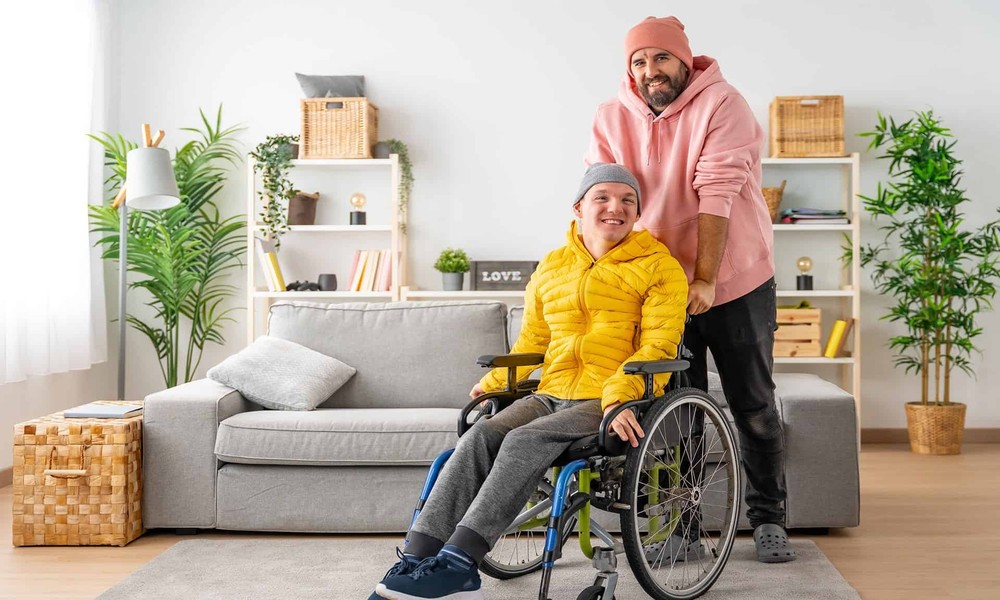
Living independently is an important goal for many people with disabilities. Having access to the right housing and support services can greatly improve confidence, comfort, and quality of life. This is where SDA (Specialist Disability Accommodation) plays a major role. Under the National Disability Insurance Scheme (NDIS), Specialist Disability Accommodation provides specially designed housing that helps individuals with significant functional impairments or high support needs live more independently and safely.
In this article, we will explore how SDA supports independent living and why it is considered an essential part of modern disability care.
What is SDA?
SDA stands for Specialist Disability Accommodation. It refers to specially built or modified homes designed for people with extreme functional impairment or very high support needs.
These homes are developed with accessibility, safety, and comfort in mind. They often include advanced design features and assistive technologies that make daily living easier for participants.
SDA housing may include:
- Wheelchair-accessible layouts
- Wider hallways and doorways
- Accessible kitchens and bathrooms
- Smart home technology
- Ceiling hoists and mobility aids
- Emergency support systems
The main purpose of SDA is to help participants live with greater independence while receiving the support they need.
Promotes Greater Independence
One of the biggest benefits of SDA is the ability to promote independent living. Traditional homes may create barriers that limit mobility and daily activities for people with disabilities.
SDA homes are specifically designed to remove these obstacles. Features such as automated doors, adjustable benches, and accessible bathrooms allow residents to perform everyday tasks with less assistance.
This increased independence can help participants:
- Gain more control over their daily routines
- Build confidence and self-esteem
- Make personal decisions more freely
- Reduce reliance on caregivers
Having the ability to manage daily activities independently can create a stronger sense of freedom and dignity.
Improves Safety and Accessibility
Safety is essential for individuals with high support needs. SDA properties are designed to minimize risks and provide secure living environments.
Accessibility features help reduce accidents and make movement throughout the home easier and safer. Some common safety features include:
- Non-slip flooring
- Handrails and support bars
- Emergency call systems
- Wide open spaces for mobility equipment
- Step-free entrances
These design elements allow residents to move around comfortably while reducing the risk of falls and injuries.
Encourages Community Participation
Independent living is not just about housing – it is also about staying connected with the community. Many SDA homes are located close to public transport, healthcare facilities, shopping centers, parks, and social activities.
This convenient access allows participants to:
- Attend community events
- Build social relationships
- Participate in recreational activities
- Access employment or education opportunities
Greater community involvement can improve emotional wellbeing and reduce feelings of isolation.
Supports Personalized Care and Assistance
Every person has unique support needs. SDA works alongside support services to provide individualized care that matches each participant’s lifestyle and goals.
Residents can receive assistance with:
- Personal care
- Meal preparation
- Medication management
- Household tasks
- Daily living activities
Because support services are tailored to individual needs, participants can maintain independence while still receiving the right level of assistance.
Provides Access to Assistive Technology
Modern SDA homes often include advanced assistive technologies that make independent living easier and more comfortable.
Smart technologies may allow residents to control lighting, doors, air conditioning, entertainment systems, and communication devices using voice commands or mobile apps.
Assistive technology can help participants:
- Perform tasks independently
- Improve mobility and communication
- Increase comfort and convenience
- Enhance safety and security
These innovations allow people with disabilities to live with greater confidence and control.
Reduces Pressure on Families and Caregivers
Family members and caregivers often play an important role in supporting individuals with disabilities. However, providing constant care can sometimes become physically and emotionally demanding.
SDA helps reduce this pressure by creating a safe and supportive living environment where professional assistance is available when needed.
This gives families peace of mind knowing their loved ones are living in suitable accommodation that supports both independence and wellbeing.
Offers Long-Term Stability
Stable housing is essential for maintaining a consistent and comfortable lifestyle. SDA provides long-term accommodation solutions that can adapt to changing support needs over time.
Participants benefit from:
- Consistent living arrangements
- Ongoing support services
- Reduced housing stress
- Better long-term planning opportunities
This stability allows individuals to focus on personal growth, goals, and community participation.
Who Can Access SDA?
Not all NDIS participants are eligible for SDA funding. Eligibility is generally based on whether a participant has:
- Extreme functional impairment
- Very high support needs
- A requirement for specialized housing
The NDIS assesses each participant individually to determine whether SDA funding is appropriate.
Final Thoughts
SDA plays a vital role in helping people with disabilities live more independently, safely, and comfortably. By offering accessible housing, personalized support, assistive technology, and community access, SDA empowers participants to enjoy a higher quality of life.
For individuals with significant support needs, the right SDA home can create greater freedom, confidence, and long-term stability. As disability support services continue to evolve, SDA remains an important solution for promoting independent and inclusive living.
