
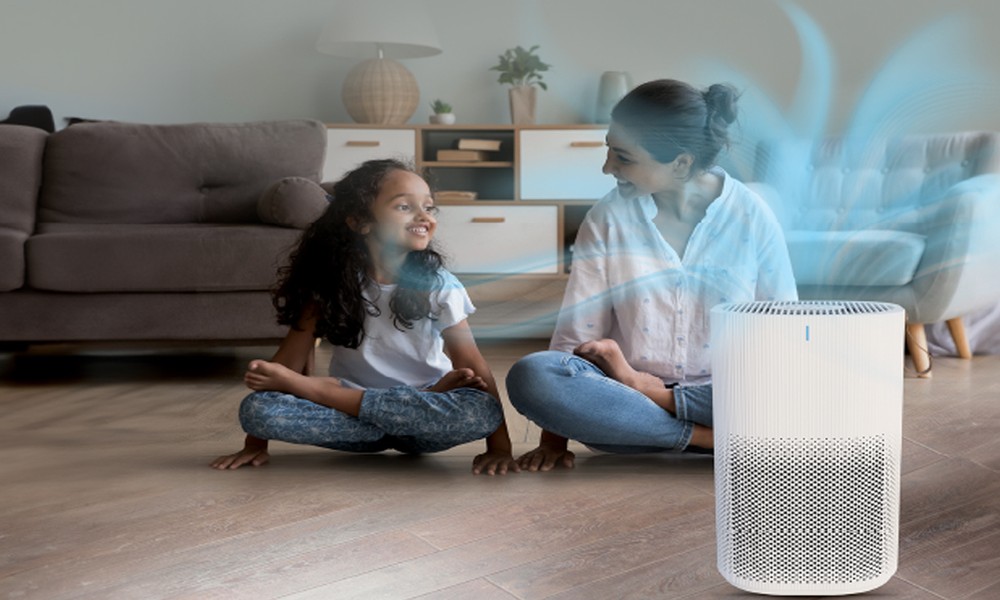
Air quality matters in every home today. Smoke can harm lungs and overall health. Many people now look for air purifiers. Some models cost less and seem basic. Others cost more and promise better results. The question feels simple but needs careful thought. Do costly units really clean smoke better or not?
Understanding Smoke and Air Purification
Smoke has tiny harmful particles. These particles stay in air for long periods. Basic filters can remove some of them. But not all filters work the same way. Premium models often use stronger filtration systems. They may include advanced HEPA layers and carbon filters. These parts help trap smoke and remove odor more effectively.
Performance Differences in Real Conditions
Budget purifiers can work well in small rooms. They handle light smoke with fair efficiency. But performance drops when smoke becomes thick. Filters clog faster and airflow slows down. This reduces cleaning power over time.
Premium units perform better under stress. They maintain airflow even with heavy particle load. The filters last longer and capture finer particles. Sometimes, they also include sensors that adjust speed automatically. This helps maintain consistent air quality without manual control.
The best results often depend on filter quality. High grade filters capture more microscopic particles. This matters during wildfire seasons. People often search for the best air purifier for with wildfire smoke during such times. Premium models usually meet these needs more reliably.
Cost vs Long Term Value
Budget purifiers cost less upfront. This makes them attractive for many buyers. But they may need frequent filter changes. Over time, these costs add up quietly. Performance may also decline faster with heavy use. Premium purifiers cost more at first. But they often use durable components. Filters last longer and require fewer replacements. This reduces long term maintenance costs. So, the total expense may balance out over time.
AirDog is one brand known for focusing on reusable filter systems. This approach reduces waste and lowers long term costs. Such features appeal to users who think beyond initial price. The value becomes clear after months of continuous use.
Noise Levels and Daily Comfort
Noise affects daily comfort in a big way. Budget purifiers often produce more sound at higher speeds. This can disturb sleep or work. Many users lower the speed to reduce noise. But this reduces cleaning performance. AirDog designs often aim for quiet operation while maintaining airflow efficiency. This balance helps in bedrooms and workspaces. A calm environment makes a big difference during long use.
Conclusion
Budget and premium air purifiers serve different needs. Budget options suit light smoke and small spaces. Premium units handle heavy smoke with better consistency. They offer stronger filters and better airflow. Long term value often favors premium models. The right choice depends on usage and environment. Careful evaluation helps make a smarter decision.
