
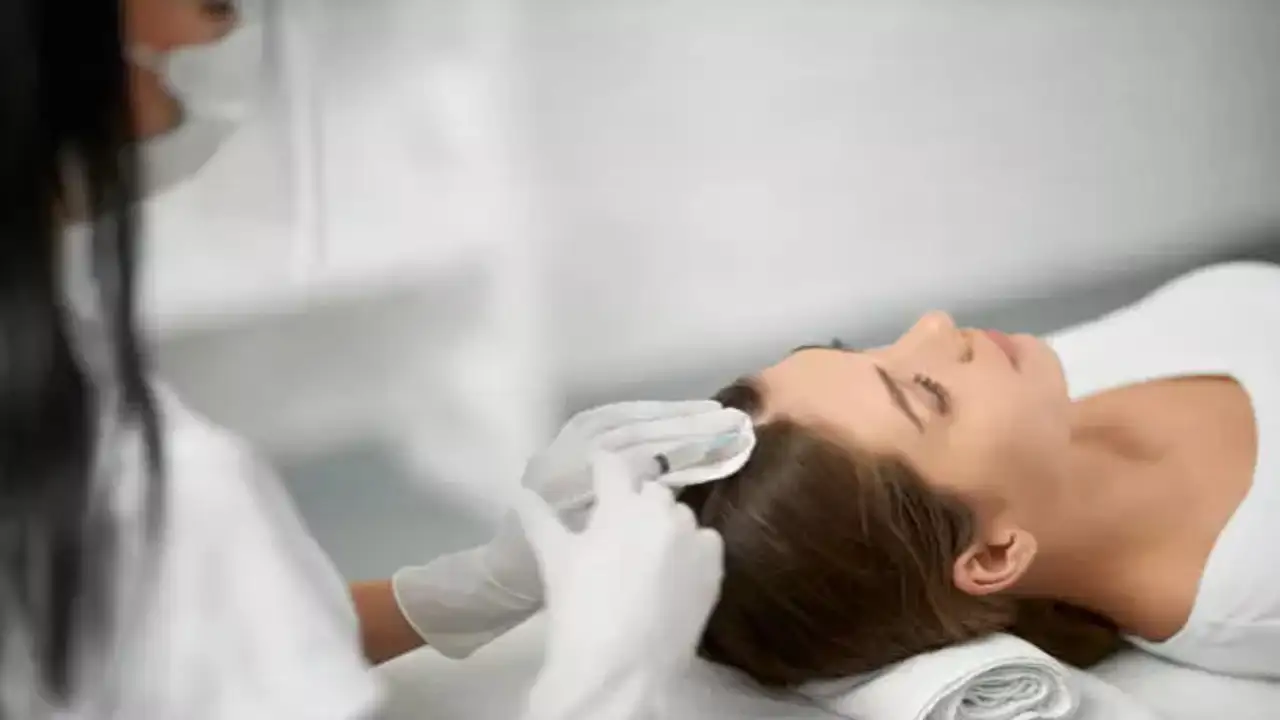
While hair enhances appearance, healthy hair means much more — it boosts self-confidence and overall well-being. The latest advances in hair restoration merge cutting-edge scientific discoveries with personalized patient care. With new donor harvesting techniques, regenerative therapies, and digital planning tools, modern clinics now deliver remarkably natural-looking results in shorter timeframes, helping patients regain lasting, natural hair.
Hair transplant experts in Colombia
Harvesting with Precision and Storing Grafts
Modern approaches move away from outdated methods that involved removing entire scalp strips, which left visible scars and required long recovery times. Today’s Follicular Unit Extraction (FUE) technique uses micro-punches to extract individual follicles, minimizing scarring and discomfort. Automated and robotic systems offer greater precision in harvesting depth and angle. Once harvested, grafts are stored in advanced solutions to preserve hydration and oxygenation, increasing their survival rate.
Naturally Appearing Hairline through Digital Planning
Achieving a natural-looking hairline requires detailed planning. Digital imaging tools enable 3D simulations of recipient areas, allowing patients to visualize results before surgery and align expectations. This planning takes into account hair growth direction, donor capacity, and facial symmetry, which helps surgeons deliver personalized, harmonious results. The precision of these tools reduces guesswork for both patient and surgeon.
Regenerative Therapies and Their Adjunctive Agents
Improving graft survival and stimulating existing follicles is key to success. Platelet-rich plasma (PRP) therapy delivers growth factors directly into the scalp to aid healing and activate dormant follicles. Stem cell-based therapies — derived from fat tissue or hair follicles — further enhance regeneration. Combining PRP with stem cells can amplify results. Low-level laser therapy (LLLT) also promotes scalp circulation and cellular energy to support healthy hair growth.
Advanced Implantation Techniques
The final look of a hair transplant depends on precise graft placement. Surgeons use ultra-fine micro blades to mimic natural angles and spacing. Under magnification, grafts are gently implanted to minimize damage and maximize healing. No-touch systems allow grafts to be implanted directly from storage solutions, reducing handling and further protecting the follicles.
Customized Post-Operative Care and Maintenance
Hair transplantation success extends beyond surgery. Patients receive tailored aftercare plans, including gentle scalp washing, protective dressings, restricted physical activity, and dietary advice rich in protein, vitamins, and antioxidants. Treatments like topical minoxidil, periodic PRP boosters, and digital scalp evaluations help monitor progress and address thinning early.
The Future in Hair Restoration
Hair transplant technology continues to evolve. Robotics are becoming more advanced in both extraction and implantation, reducing the need for manual handling. Future developments may include bioengineered hair follicles and 3D-printed scalp tissues. Personalized molecular therapy may eventually treat the root causes of hair loss, while regenerative medicine could offer transformative results with minimal lifestyle disruption.
