
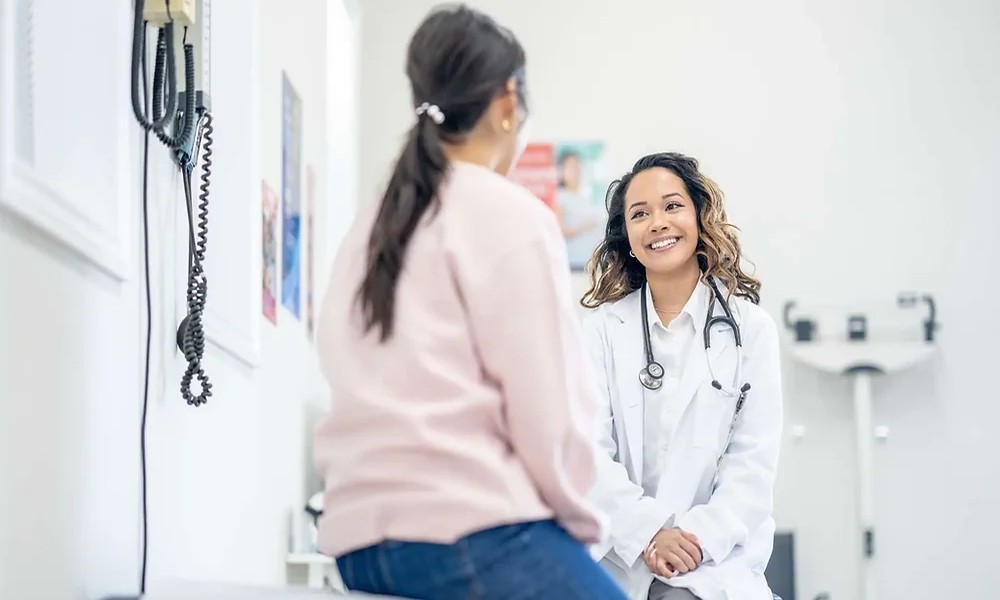
How Primary Care Physicians help lower healthcare costs with smarter care, prevention, and coordination. Learn practical ways to save money today.
Primary care physicians lower healthcare costs by focusing on prevention, early diagnosis, and coordinated care. They reduce unnecessary specialist visits, hospitalizations, and tests, helping patients stay healthier while spending less on long-term medical expenses.
Have you ever wondered why some people spend far less on healthcare while staying just as healthy-or even healthier?
The answer often starts with one simple choice: having a trusted primary care physician. These doctors act as your first point of contact, guiding your care and helping you avoid expensive medical mistakes. By focusing on prevention and smart care decisions, they play a major role in reducing overall healthcare costs.
Let’s break down exactly how this works-and why it matters for your wallet and your well-being.
What Is A Primary Care Physician? 🩺
A primary care physician (PCP) is your main healthcare provider. They handle routine checkups, treat common illnesses, and manage ongoing conditions. Think of them as your personal health guide who knows your history and helps you make better decisions.
Unlike specialists, PCPs look at the big picture. They understand how different health issues connect. This helps prevent unnecessary treatments and reduces confusion about your care plan.
Having a PCP also means you always have someone to call first. This simple step can save you from costly emergency visits and unnecessary procedures.
Why Healthcare Costs Are Rising 💸
Healthcare costs in the U.S. continue to climb every year. Several factors contribute to this, including advanced technology, expensive medications, and frequent specialist visits.
Another major reason is fragmented care. When patients see multiple providers without coordination, tests get repeated and treatments overlap. This drives costs higher without improving outcomes.
Primary care physicians help fix this issue. They bring everything together, making care more efficient and affordable.
Before diving deeper, let’s talk about something many people search for when trying to take control of their health expenses.
Finding the right primary care physician can make a huge difference in how much you spend on healthcare. Many people start by searching for a pcp near me, hoping to find someone convenient and reliable. This first step often leads to better preventive care and fewer costly surprises down the road.
When you choose a trusted doctor nearby, it becomes easier to schedule regular visits and address concerns early. A local primary care physician also builds a long-term relationship with you, which improves diagnosis accuracy and treatment planning. Over time, this connection leads to smarter healthcare decisions and lower overall costs.
Preventive Care Reduces Expensive Treatments 🛡️
Preventive care is one of the biggest cost-saving tools in healthcare. Primary care physicians focus on stopping problems before they start.
Regular screenings, vaccinations, and wellness visits catch issues early. Treating a condition early is always cheaper than dealing with complications later.
For example:
- Managing high blood pressure early prevents heart disease
- Detecting diabetes early avoids costly complications
- Routine screenings catch cancer sooner
“An ounce of prevention is worth a pound of cure.” This couldn’t be more true in healthcare.
Early Diagnosis Saves Thousands 💡
When health issues are caught early, treatment is simpler and less expensive. Primary care physicians are trained to spot warning signs before they become serious problems.
Early diagnosis often means fewer hospital visits, fewer medications, and quicker recovery times. This leads to major cost savings over time.
Patients who skip regular checkups often face bigger bills later. A PCP helps you stay ahead of these risks.
Fewer Emergency Room Visits 🚑
Emergency room visits are one of the most expensive forms of care. Many of these visits are avoidable.
Primary care physicians provide an alternative. They offer same-day appointments, advice, and treatment for non-emergency issues.
Here’s how PCPs reduce ER visits:
- Manage minor illnesses early
- Provide guidance on when ER care is needed
- Offer after-hours support in some cases
Avoiding even one ER visit can save hundreds-or thousands-of dollars.
Better Management Of Chronic Diseases 📊
Chronic conditions like diabetes, asthma, and heart disease require ongoing care. Without proper management, they can become very costly.
Primary care physicians help patients stay on track. They monitor progress, adjust medications, and provide lifestyle guidance.
This reduces complications and hospitalizations, which are major cost drivers.
|
Chronic Condition |
Without PCP Care |
With PCP Care |
|---|---|---|
|
Diabetes |
Frequent ER visits |
Controlled blood sugar |
|
Hypertension |
Risk of stroke |
Stable blood pressure |
|
Asthma |
Emergency flare-ups |
Preventive treatment |
Reduced Need For Specialist Visits 👩⚕️
Specialists are important, but they are also expensive. Many conditions can be handled by a primary care physician without needing a referral.
PCPs act as gatekeepers. They ensure you only see specialists when necessary.
This prevents:
- Unnecessary consultations
- Duplicate tests
- Conflicting treatment plans
By managing most care themselves, PCPs help keep costs under control.
Coordinated Care Avoids Duplication 🔄
When multiple doctors are involved, communication gaps can happen. This leads to repeated tests and wasted money.
Primary care physicians coordinate your care. They keep track of your medical history and share information with other providers.
This ensures:
- No repeated lab tests
- Consistent treatment plans
- Better health outcomes
Coordination is key to both quality and affordability.
Lower Prescription Costs 💊
PCPs help patients choose the most cost-effective medications. They often recommend generic drugs instead of expensive brand-name options.
They also monitor medications to avoid unnecessary prescriptions. This reduces both costs and side effects.
Some ways PCPs lower prescription costs include:
- Choosing generics
- Adjusting dosages
- Eliminating duplicate medications
Small changes in prescriptions can lead to big savings.
Personalized Health Plans Improve Efficiency 🧠
Every patient is different. A one-size-fits-all approach often leads to wasted treatments and higher costs.
Primary care physicians create personalized health plans. These plans focus on what works best for you.
This means:
- Fewer unnecessary treatments
- Better results
- Lower overall expenses
A tailored approach is both smarter and more affordable.
Strong Doctor-Patient Relationships Matter ❤️
A long-term relationship with your PCP builds trust. This makes it easier to discuss symptoms, concerns, and lifestyle habits.
Better communication leads to more accurate diagnoses and effective treatments. It also reduces unnecessary testing.
Patients who trust their doctors are more likely to follow advice, which improves outcomes and lowers costs.
Health Education Prevents Costly Mistakes 📚
Primary care physicians educate patients about their health. This knowledge helps patients make better decisions.
For example:
- Knowing when to rest vs. seek care
- Understanding medication instructions
- Recognizing early symptoms
Education reduces avoidable complications and expenses.
Telehealth And Convenience Save Money 📱
Many primary care physicians now offer telehealth services. These virtual visits are often cheaper than in-person appointments.
They also save time and travel costs. Patients can get advice quickly without missing work or commuting.
Telehealth is especially useful for:
- Minor illnesses
- Follow-up visits
- Medication reviews
Convenience leads to better care and lower costs.
Preventing Hospital Readmissions 🏥
Hospital readmissions are expensive and often preventable. PCPs play a key role in post-hospital care.
They ensure patients follow discharge instructions and attend follow-up appointments. This reduces the risk of complications.
|
Factor |
Without PCP |
With PCP |
|---|---|---|
|
Follow-up care |
Missed |
Scheduled |
|
Medication adherence |
Low |
High |
|
Readmission risk |
High |
Reduced |
Cost Transparency And Smart Decisions 💬
Primary care physicians often help patients understand healthcare costs. They guide patients toward affordable options.
This includes:
- Choosing cost-effective treatments
- Avoiding unnecessary procedures
- Recommending in-network providers
Informed decisions lead to significant savings over time.
Community Health Impact 🌍
When more people use primary care services, entire communities benefit. Preventive care reduces the spread of diseases and lowers public healthcare costs.
Healthy communities mean fewer emergency cases and less strain on hospitals.
Primary care physicians are the backbone of a strong, cost-effective healthcare system.
Long-Term Financial Benefits 📈
The savings from primary care aren’t always immediate. But over time, they add up significantly.
Here’s a simple breakdown:
|
Area |
Short-Term Cost |
Long-Term Savings |
|---|---|---|
|
Regular checkups |
Low |
High |
|
Preventive screenings |
Moderate |
Very high |
|
Chronic care management |
Moderate |
Massive |
Investing in primary care today leads to major financial benefits tomorrow.
Conclusion
Primary care physicians are one of the most effective ways to lower healthcare costs without sacrificing quality. They focus on prevention, early diagnosis, and coordinated care-all of which reduce unnecessary expenses.
By building a relationship with a trusted PCP, you gain a partner who helps you stay healthy and avoid costly medical issues. Over time, this approach not only improves your health but also protects your finances.
Choosing primary care isn’t just a medical decision-it’s a smart financial strategy.
FAQs
How does a PCP save money long term?
A PCP focuses on prevention and early treatment. This reduces expensive complications later. Over time, this leads to lower overall healthcare spending.
Is primary care cheaper than specialists?
Yes, primary care visits usually cost less. PCPs handle most health issues without referrals. This avoids unnecessary specialist fees.
Can PCP visits reduce hospital stays?
Yes, regular checkups catch issues early. This prevents serious conditions that require hospitalization. Fewer hospital visits mean lower costs.
Why is preventive care important for savings?
Preventive care stops diseases before they worsen. Early treatment is always cheaper than advanced care. This significantly reduces long-term expenses.
How often should I see my PCP?
Most adults should visit once a year. More frequent visits may be needed for chronic conditions. Regular visits help maintain health and control costs.
