
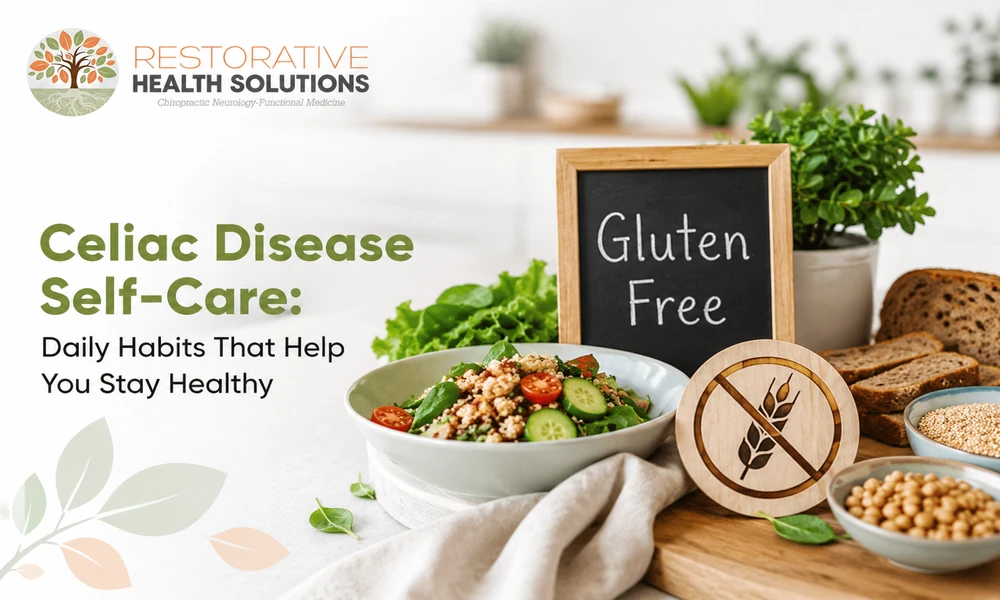
Getting rid of celiac disease doesn’t mean only avoiding bread or pasta. A good celiac disease self-care routine will allow you to live your life without worrying about what is going through your small intestine, and this can ease symptoms while preparing your body for a positive long-term health journey. All meals, snacking, and daily habits affect your recovery. A well-managed diabetes lifestyle allows you to live a full and active life.
Make Gluten-Free among Your Self-Care
A gluten-free diet is the center of celiac disease self-care. Diminished amounts of gluten contribute to intestinal damage, regardless if you have any symptoms or not.
Foods to avoid include:
- Wheat, barley, and rye
- Regular bread, cakes, and pasta
- A lot of processed food have gluten hidden in them
Select for gluten free food naturally, including:
- Fresh fruits and vegetables
- Rice and quinoa
- Lean meat, fish, eggs, and beans
- Dairy products if you are tolerant
Always check food labels while buying packaged products.
Prevent Cross-Contamination at Home
Gluten-free food can become contaminated and unsafe if it comes in contact with the gluten. That is why celiac self-care involves meticulous food preparation.
Simple steps include:
- Cutting boards (and toasters)
- Keep gluten-free items separate from gluten-containing foods
- Cleaning kitchen utensils prior to using them
- Clean work surfaces after cooking
This reduces the risk to accidentally consuming gluten.
Support Your Overall Health
Excellent nourishment is a lot greater than staying clear of gluten. Many people when first diagnosed have some deficiency in a vitamin or mineral. If required, your healthcare provider might suggest supplements.
Healthy lifestyle habits include:
Having regular visits to your doctor will also give you an opportunity to make sure you are healing properly and getting the right nutrition.
Eat Safely When Dining Out
Dining out is fun with a few simple steps. Check how foods are prepared and if there is a separate cooking zone before placing an order. When informing the staff that you have celiac disease, make it clear that this is not a personal food choice. Be sure to ask questions regarding ingredients, sauces, and seasonings, and even how the dish is prepared so you do not unintentionally consume gluten. Thinking ahead makes it so much easier to manage celiac disease when travelling or going anywhere there may be social gatherings.
Learn and Stay Prepared
The more you understand your condition, the better it is to help manage. Therefore, maintain a list of gluten-free foods associated with this risk, use portable looks gluten-free snacks for when you visit to the street and inquire precisely what are the nomenclatures. Your family and friends should be properly trained about your eating habits so that they can support you.
Final Thoughts
Good self-care for celiac disease starts with daily healthy choices. You can often minimize symptoms and help to protect your long-term health by adhering to a gluten-free diet, avoiding cross-contamination while preparing food, receiving medical care regularly, and implementing lifestyle changes. Taking small steps each day has great significance as it allows you to keep the celiac disease under control while respecting its combined approach with confidence.
